

Burial Plots, Duck-and-Cover Drills, and the Hum Behind the Walls
My parents would have both fit under those desks.
Chicago classrooms. Cold War drills. The bell rings and children slide down beneath wood and metal, hands over their heads, practicing for a flash they hoped would never come.
They were rehearsing survival before they even knew what survival meant.
My dad lived to ninety-two. My mom is ninety-four. Long, steady lives. But they grew up with two truths pressed into them early: the sky could fall, and you plan ahead anyway.
Years later, salesmen knocked on their door selling burial plots. And my parents listened. Not because they were afraid. Because it was responsible. Choose your ground. Decide where you will rest. Take care of what follows you.
They prepared for impact when they were young. They prepared for rest when they were older. That rhythm makes sense to me.
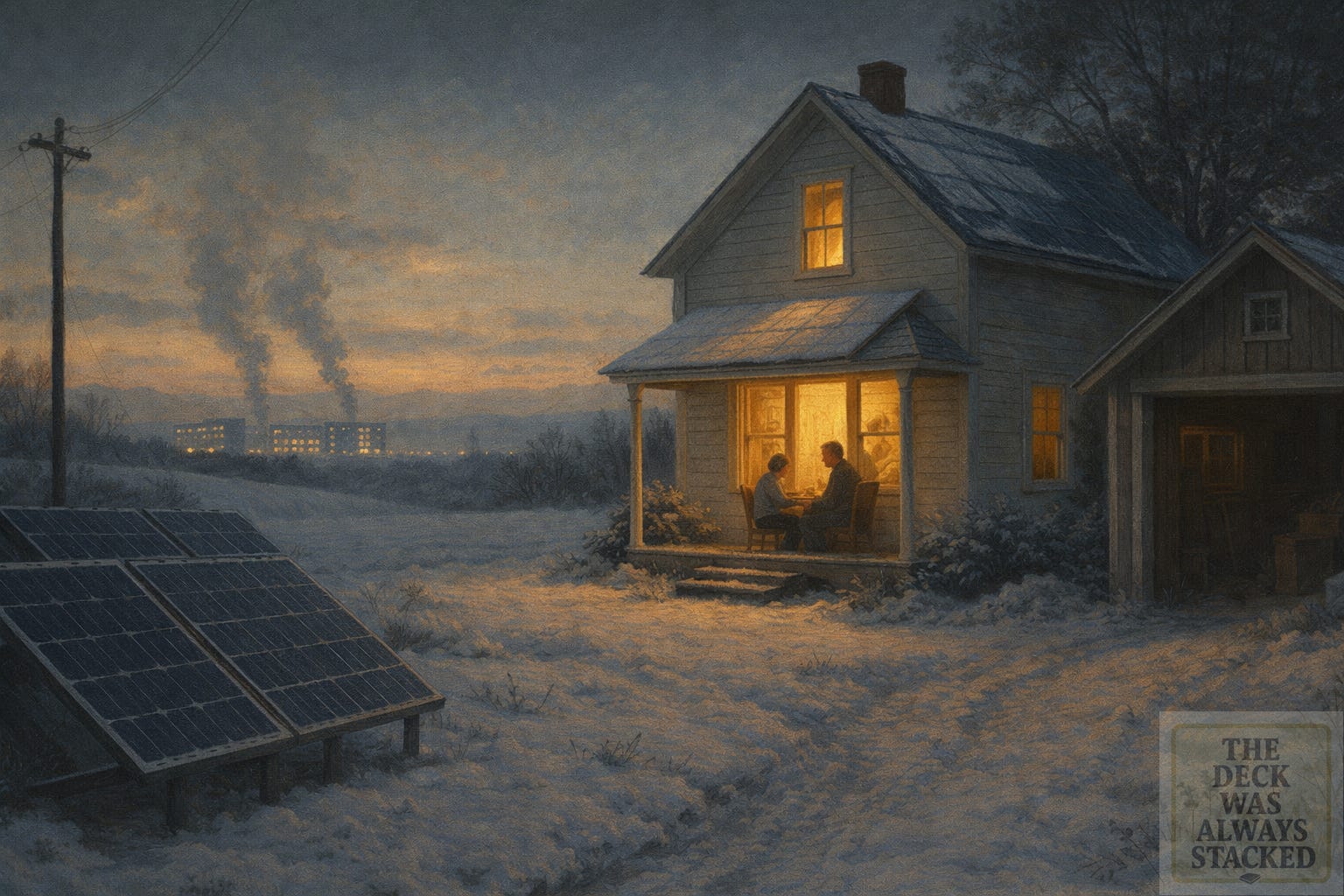
What brought this back were the recent headlines about winter storms and electricity—about the idea of pulling power back from data centers when the grid feels strained.
The tone of it. The realization of how much load now runs through buildings most of us will never step inside.
For a moment it sounded almost simple: redirect the power, stabilize the system.
But nothing about it is simple.
Every generation prepares differently.
Those buildings are no longer abstract. They hold payroll systems. Hospitals’ records. Financial networks. Government databases. Hiring platforms. Everyday life. They sit on the same grid that heats homes during a freeze.
When someone suggests adjusting that balance, you can feel the weight of the transition. Not panic. Weight.
My parents prepared for a world where the threat came from the sky. They prepared for where their bodies would return to the earth. Those were tangible decisions.
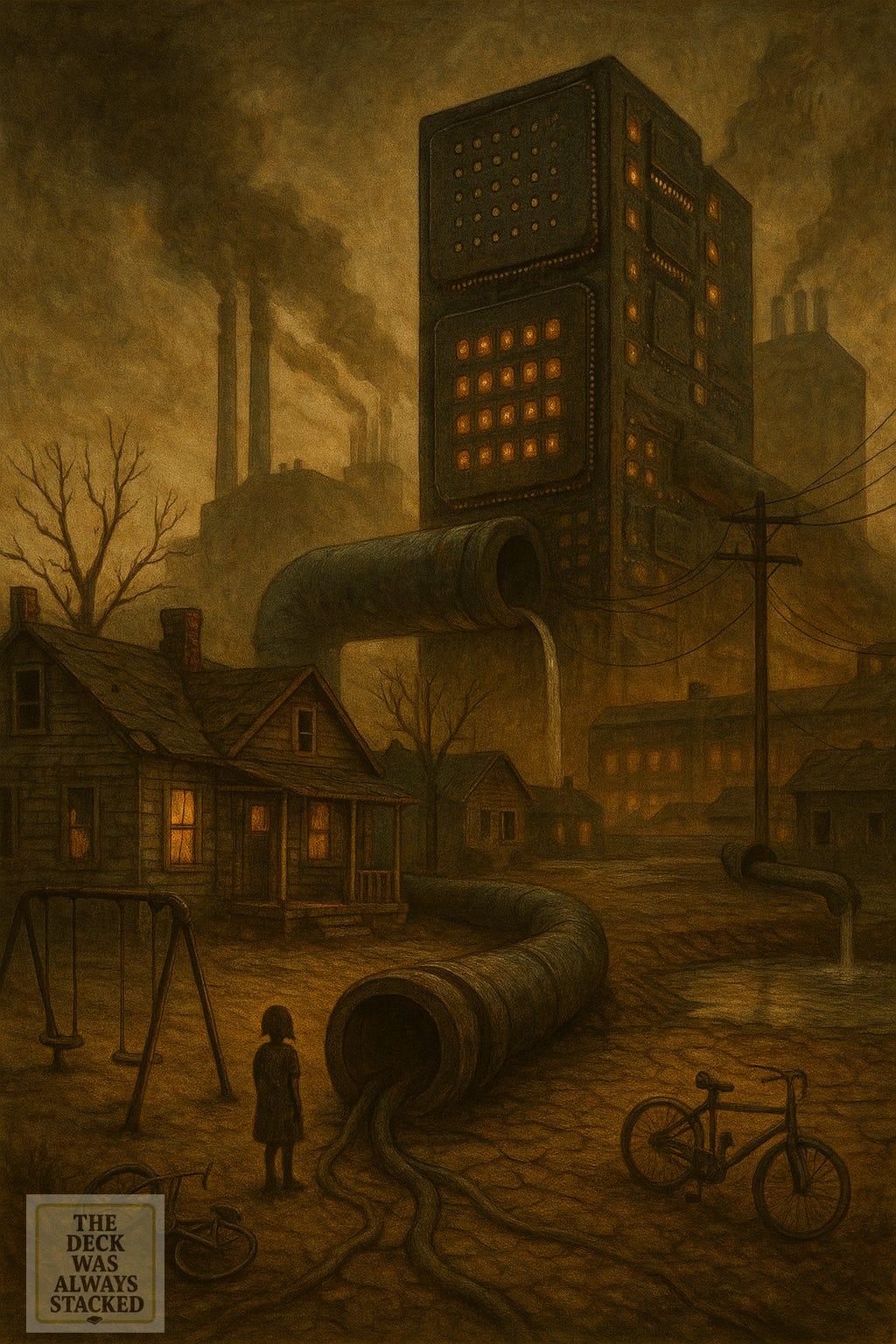
We are living through a moment where infrastructure itself has become strategic. Data centers are treated as assets in a global competition, tied to energy policy, water allocation, national posture.
The biggest force in change is change itself.
And change has placed enormous importance inside buildings that hum without headlines most days.
On a Sunday, I don’t hear alarm in that. I hear responsibility.
Because if winter storms can test the grid, and headlines can remind us how tightly everything is connected, then maybe the real question isn’t whether change is happening.
It’s whether we are thinking as deliberately about this transition
as my parents once did about theirs.
PowerNote by TJB / CreatorHuman ™ We don’t just inherit systems. We choose how to live inside them.