
The Rigged Monopoly Problem
It’s a few people who have it all.
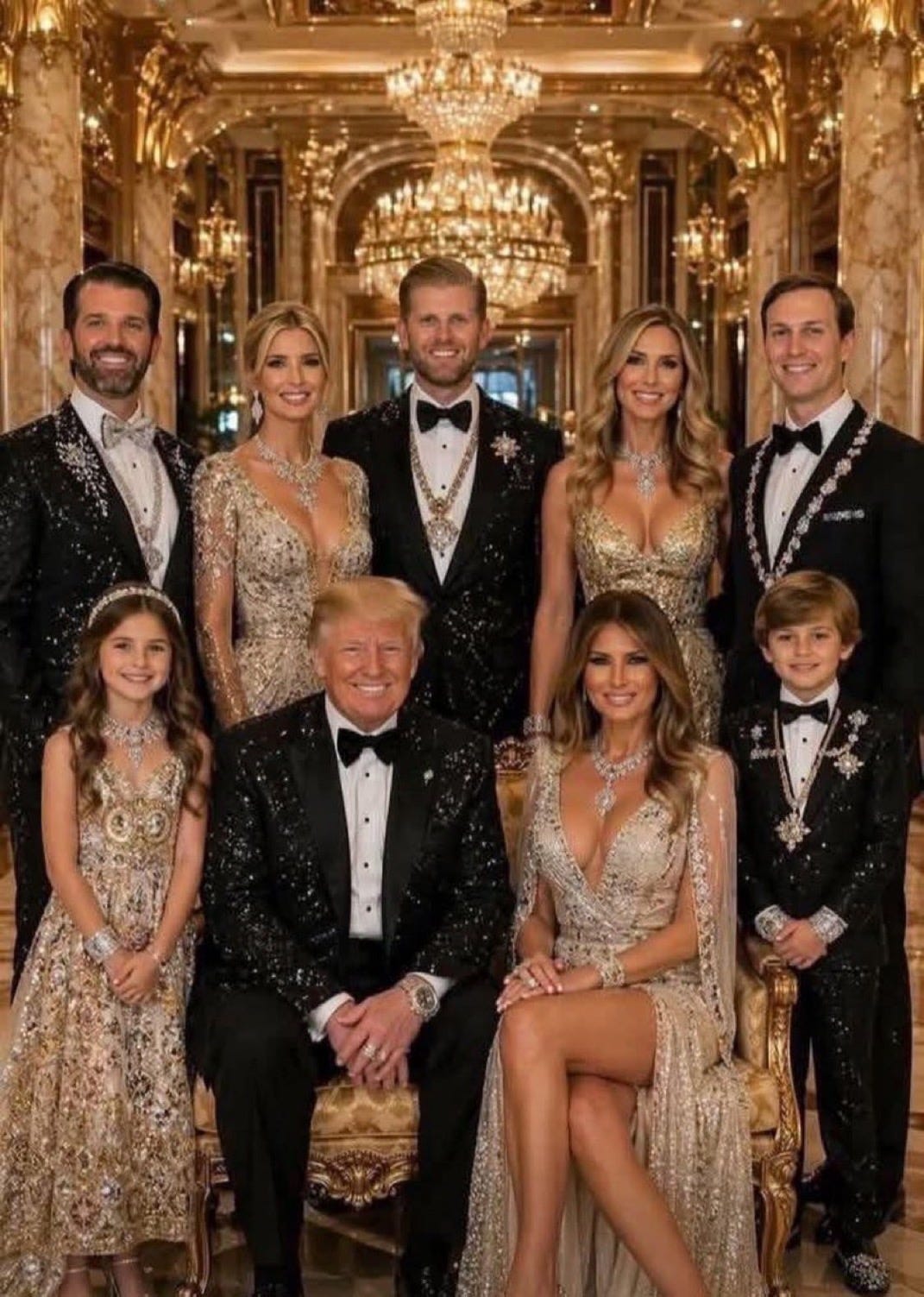
If life were Monopoly, it would be as if a handful of players designed a private version of the game, then sat beside the rest of us pretending to be coaches—encouraging us, explaining the rules, smiling while secretly running their own pieces across a second board.
To keep the illusion alive, some of their own players would look ordinary enough that nobody questioned the structure.
Then later in life, you realize something.
You passed GO.
You did the work.
You played by the rules.
But the money never really arrived.
Or when it did, life had a way of vacuuming it back out—health crisis, downturn, emergency, reset.
Back to square one.
Back to work.
Another ten years.
Some of us have “made it” more than once by conventional standards—only to hand it all back to the house, plus interest.
And then at 66, you wake up hearing that Social Security—the system you paid into for decades—is suddenly “under discussion.”
How is that even a thing?
Because where there is concentrated money, there are always wolves at the door.
My larger point:
America is not poor.
America is extraordinarily wealthy.
So wealthy that much of the fighting now feels like the rich extracting from the rich while everyone else becomes collateral damage.
That’s not healthy capitalism.
That’s imbalance.
At some point, every game needs reset logic.
Not punishment. Structure.
Reward innovation. Reward risk. Reward excellence.
But beyond some threshold, the role changes.
You stop merely accumulating and start stewarding.
Because unlimited extraction eventually breaks the board.
TJB / CreatorHuman